

Garbage day in London is not anyone’s favourite event, but it becomes important the second your bin is overflowing and pickup is still a week away. The City of London does a lot at the curb, as long as you follow the rules and know what belongs where.
This guide walks through what the City will collect, how to quickly check your garbage and recycling schedule online, what is changing in 2026, and when it is easier to call a donation‑focused junk removal service like Get R Gone instead of trying to make everything fit in three bags.
How London’s Garbage Collection Works
For most homes in London, curbside garbage collection is biweekly with clear limits on how much you can put out. If you stay within those rules, things usually run smoothly. When you do not, bags can sit at the curb and that is when problems start.
Key points for residential garbage collection in London:
-
Garbage collection is every two weeks for most households.
-
There is a three‑container limit per collection day.
-
Each bag or can must be between 30 and 125 litres and weigh less than 20 kilograms.
-
Garbage must be inside strong plastic bags or in a proper garbage can, not loose.
Set your garbage at the curb by 7 a.m. on collection day, but not before 6 p.m. the night before, and bring emptied containers back in by the end of the day. Sticking to those simple rules helps avoid missed pickups and keeps raccoons from treating your boulevard like a buffet.
What the City Will and Will Not Pick Up at the Curb
City pickup covers typical household waste, recycling and organics, but there are strict lines on what is acceptable.
What is accepted in regular garbage
You can place the following in your garbage bags or cans within the three‑container limit:
-
Regular household trash that cannot be recycled or composted
-
Small broken household items
-
Diapers and pet waste, double‑bagged and free of liquids
Dog waste and cat litter must be double‑bagged and securely tied, which the City and Circular Materials highlight on the 2025–2026 collection schedule.
What is accepted in blue boxes
London’s blue box program covers many everyday materials:
-
Plastic bottles and containers that match accepted numbers
-
Aluminum and steel cans
-
Glass bottles and jars
-
Paper, cardboard, boxboard and newsprint
Sorting and rinsing still matter. If containers are dirty or materials are mixed incorrectly, there is a greater chance they will be treated as garbage rather than recycling.
What is accepted in the green bin and yard waste programs
The green bin and yard waste collections help reduce pressure on your garbage limit:
-
Food scraps, coffee grounds, some paper products and other organics go in the green bin.
-
Leaves, branches and yard trimmings are collected on designated yard waste weeks.
Using these programs properly can dramatically cut what ends up in your garbage can, which is handy when you are close to the three‑container limit.
What is not accepted at the curb
The City will not collect the following items as regular garbage:
-
Large furniture such as couches, mattresses and dressers
-
Appliances including fridges, stoves, washers and dryers
-
Electronics like televisions, computers and printers
-
Renovation and construction debris such as drywall, lumber and shingles
-
Vehicle parts, car batteries and most tires
-
Hazardous waste including paint, chemicals and fuels
-
Most large metal items and scrap
For many of these, you either need to book a special bulky item pickup with the City or take them yourself to an EnviroDepot or the landfill. If that sounds like too much hassle or you do not have a suitable vehicle, this is where Get R Gone starts to make a lot of sense.
How to Check Your Garbage and Recycling Schedule
Guessing collection days is one of the easiest ways to miss a pickup. London makes it straightforward to confirm your schedule online.
Use the City’s interactive collection calendar
The City of London hosts an interactive collection calendar where you type in your address and see your specific pickup days for garbage, recycling, green bin and yard waste.
-
Visit the City’s Collection Calendar page and enter your address to see your schedule.
-
You can view, print or download your 2025–2026 calendar, which reflects biweekly garbage pickup, weekly organics and recycling, and seasonal yard waste events.
Turn on reminders so you do not forget
London also uses the Recycle Coach platform so residents can:
-
Look up what goes where for specific items.
-
See their schedule in app form.
-
Set smartphone or email reminders for collection days.
A quick habit that works well for many households is to check the online calendar once in the fall and once in the spring so holiday changes and yard waste weeks do not catch you off guard.
What Is Changing in 2026: Blue Box and Producer Responsibility
Starting January 1, 2026, Ontario is completing a transition that shifts responsibility for blue box recycling from municipalities to the companies that make packaging and printed paper.
Who runs the blue box program now
-
From 2026, London’s curbside blue box program is managed by Circular Materials, a national not‑for‑profit producer responsibility organization.
-
Producers fund and oversee the recycling system instead of that cost resting mainly on municipal property taxes.
The 2025–2026 collection schedule already notes that, as of January 1, 2026, the City is no longer responsible for the blue box program and that Circular Materials manages recycling for London households.
What this means for households
For most residents, the day‑to‑day experience stays familiar:
-
You still place recyclables at the curb in blue boxes on your assigned recycling weeks.
-
The same collection calendar and address lookup tools remain your starting point.
-
The City and Circular Materials will communicate any changes to accepted materials and sorting instructions.
Behind the scenes, producers now carry more responsibility for meeting recycling targets, reporting performance and funding operations, which is intended to encourage better packaging design and higher diversion rates.
When City Service Is Not Enough
Curbside collection is designed for everyday waste, not for life’s bigger messes. There are plenty of situations where the City’s limits or restrictions make it hard to rely on your regular pickup.
Common scenarios where people get stuck include:
-
Clearing out a full basement or garage that has turned into a storage unit.
-
Dealing with old furniture, appliances or mattresses that the City will not collect as regular garbage.
-
Cleaning up after a renovation with piles of drywall, wood and flooring offcuts.
-
Handling an estate, downsizing move or major declutter that produces far more than three containers.
You can try to spread items over several collection cycles, rent a vehicle and drive back and forth to disposal sites, or haul everything to the curb and hope for the best. Often that costs time, energy and stress that could be avoided.
How Get R Gone Complements London’s Garbage Collection
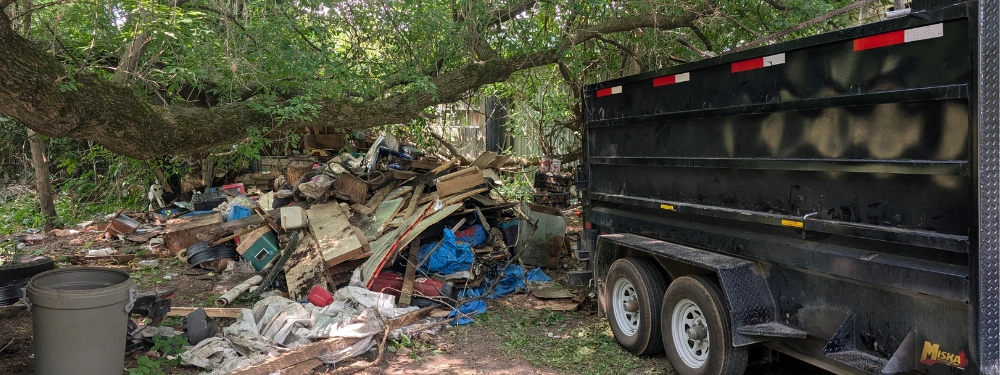
This is where a local junk removal service like Get R Gone fits in. Their job is to handle the material that does not fit in the City’s system or would take you several weekends and a sore back to move on your own.
Types of jobs Get R Gone handles
Get R Gone serves London, St. Thomas and surrounding communities with full‑service, donation‑first junk removal, including:
-
Furniture and mattress removal
-
Appliance and metal removal
-
Construction debris and renovation waste
-
Eviction and tenant turnover cleanouts
Many of these items are not accepted at the curb by the City, or they are too bulky to fit within the standard limits. Instead of multiple trips and guesswork, the Get R Gone team does the lifting, loading and responsible disposal for you.
Donation‑first and eco‑conscious approach
One of the main differences with Get R Gone is the focus on giving items a second life wherever possible:
-
Reusable furniture and household items are separated for donation to local partners and charities.
-
Materials such as wood, metal, cardboard and some other recyclables go to recycling facilities rather than straight to landfill.
-
Only what truly cannot be reused or recycled is disposed of as garbage.
Across residential, commercial and estate projects, this approach reduces landfill use and lines up well with London’s broader goals around waste diversion and sustainability.
Simple four‑step process
Get R Gone aims to keep things straightforward so you can move from cluttered to clear in a single visit:
-
Book a visit
Call, text or book online and describe what you need removed. -
On‑site quote
A uniformed, fully insured team arrives, looks at everything and provides a free, volume‑based quote. -
Load and remove
If you agree to the price, they load everything right away. You do not have to move items outside or to the curb unless you prefer to. -
Responsible sorting
Items are sorted for donation, recycling and proper disposal, so you know your junk is handled with care for the community and environment.
For many homeowners, the combination of the City’s regular collection and an occasional full‑service junk removal visit is the most efficient and least stressful way to stay on top of clutter.
Common Questions from London Homeowners
How do I find my garbage and recycling pickup days in London?
Use the City’s online Collection Calendar. Enter your address to see your garbage, recycling, green bin and yard waste schedule and download the 2025–2026 calendar for your zone.
What if I have more than three garbage containers?
You can buy garbage tags for extra bags, hold some items until the next collection, or book a junk removal appointment if you have ongoing overflow or bulky items that will not fit into regular containers.
Can the City pick up large furniture and bulky items?
London requires residents to book furniture and bulky item pickup in advance, and some items are not eligible. Requests must be submitted at least five business days before the collection date. If you need a faster, all‑in‑one solution, Get R Gone can remove furniture, appliances and more on your schedule.
What should I do with renovation debris like drywall and lumber?
Renovation material is not accepted as regular curbside garbage. You can haul it yourself to an EnviroDepot or the landfill or hire Get R Gone for construction debris removal so a crew loads and disposes of everything safely in one visit.
What happens to items after Get R Gone picks them up?
The team sorts items on the truck to separate donations, recyclables and true garbage. They work with recycling centers to give materials like wood, cardboard and metals a second life and donate usable items whenever possible.

